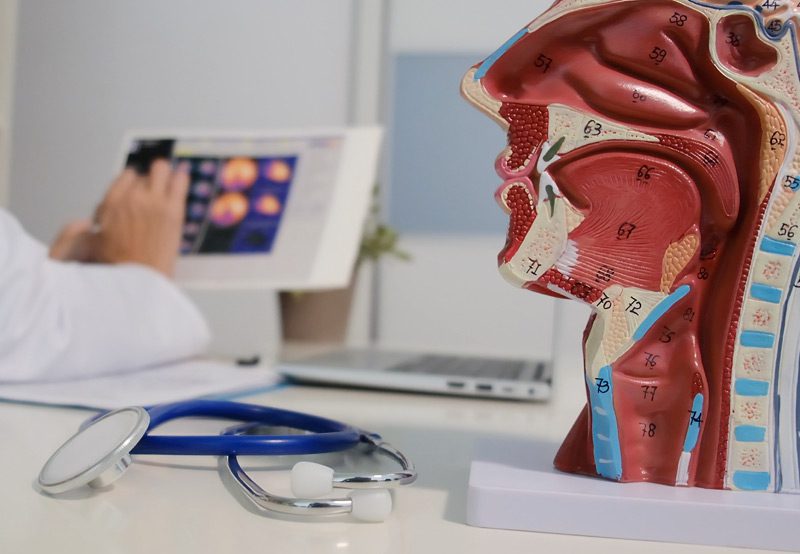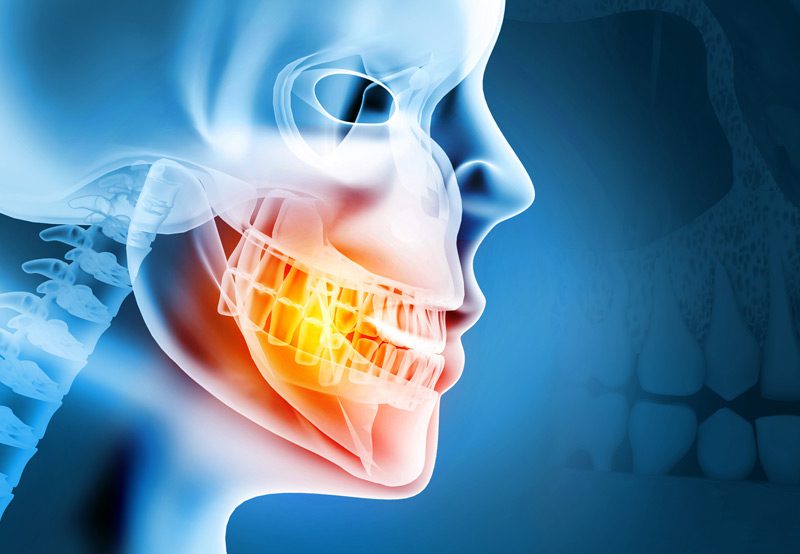

Mouth cancer, also known as oral cavity cancer, includes malignancies that develop in the lips, tongue, gums, inner cheeks, floor of the mouth, jaw bone, hard palate, and other areas within the oral cavity. Most are squamous cell carcinomas, which originate in the thin, flat cells lining the inside of the mouth. This form of cancer is often linked to tobacco and alcohol use, as well as HPV infection. Early diagnosis is critical, but many cases are discovered at more advanced stages requiring specialized care.
Symptoms of Mouth Cancer
Early signs of mouth cancer may be subtle. Common symptoms include:
- A sore or ulcer that does not heal
- A lump or thickening in the cheek or tongue
- Difficulty chewing or swallowing
- Persistent mouth pain
- Loose teeth or jaw pain
- Changes in speech
- Unexplained bleeding or numbness in the mouth
- A red or white patch on the gums, tongue, or lining of the mouth

Diagnosis
Accurate diagnosis typically involves:
- Physical Examination: Visual and tactile assessment of the oral cavity, neck, and lymph nodes.
- Biopsy: Removal of tissue for microscopic analysis and diagnosis.
- Imaging: CT, MRI, or PET scans to evaluate tumor extent and lymph node involvement.
- Endoscopy: May be used to examine deeper areas of the throat or airway.
Treatment Options
Treatment for mouth cancer depends on the tumor’s size, location, and stage, as well as the patient’s overall health and treatment goals. Care is often provided by a multidisciplinary team that includes ENT surgeons, oncologists, and reconstructive specialists.
- Surgery: Surgical removal is a cornerstone of treatment. This may include removal of the tumor, involved lymph nodes, and, in complex cases, sections of the jawbone, tongue, or other oral structures.
- Complex Reconstruction: Following tumor removal, reconstructive surgery is often necessary to restore function and appearance. This may involve microvascular free flap techniques to rebuild the tongue, jaw, or palate using tissue from other areas of the body. The goal is to preserve speech, swallowing, and facial symmetry.
- Radiation Therapy and Chemotherapy: May be used before or after surgery depending on tumor staging. Radiation is often combined with chemotherapy (chemoradiation) in more advanced cases.
- Clinical Trials: Patients may be eligible for clinical trials evaluating innovative therapies, such as immunotherapy, targeted drugs, or advanced radiation techniques. These trials offer access to cutting-edge treatments that may improve outcomes for complex or recurrent cases.
Supportive Care and Rehabilitation
Because mouth cancer can significantly impact speech, eating, and appearance, comprehensive care extends beyond tumor removal:
- Speech Therapy: Helps patients adapt to changes in tongue movement or palate structure.
- Swallowing Therapy: Addresses post-operative or post-radiation swallowing difficulties.
- Nutritional Support: Dieticians assist with maintaining adequate intake during and after treatment.
- Psychosocial Support: Mental health professionals can help patients cope with changes in self-image and communication.
When to See an ENT Specialist
Persistent oral pain, lesions that don’t heal, or difficulty speaking or swallowing should prompt evaluation by an ear, nose, and throat (ENT) specialist, especially if risk factors such as smoking or alcohol use are present. Early evaluation improves the chances for successful treatment with fewer long-term impacts on speech, swallowing, and quality of life.