
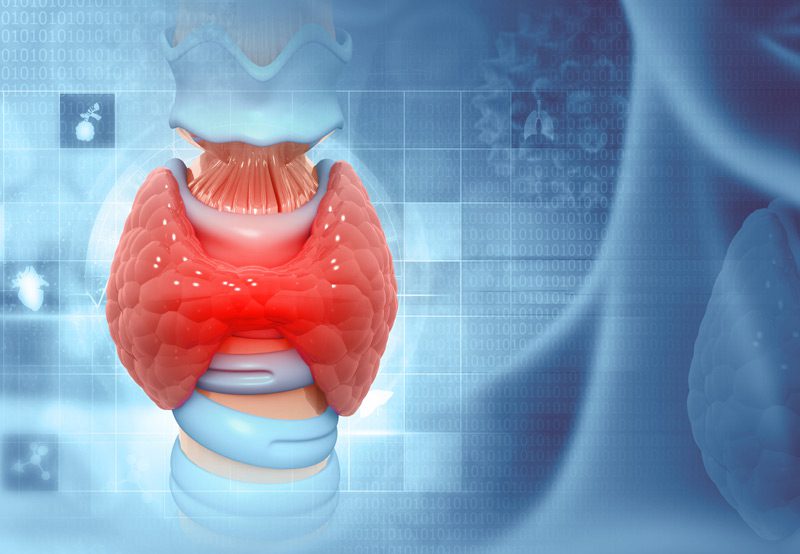
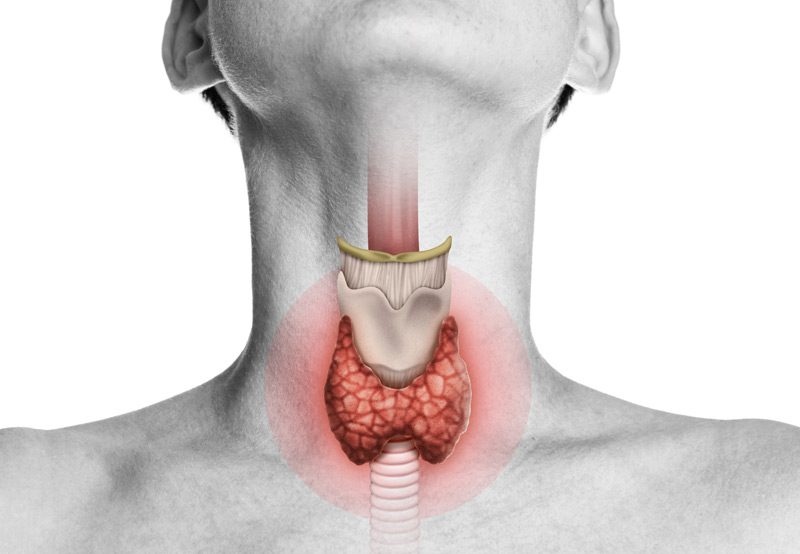
Thyroid and parathyroid surgery focuses on treating conditions affecting two important glands in the neck: the thyroid, which regulates metabolism, and the parathyroid glands, which control calcium levels. Surgical intervention is often necessary when these glands develop nodules, become overactive, or harbor cancer.
Conditions Treated with Surgery
- Thyroid Nodules: Removal may be recommended for nodules that are large, growing, causing symptoms, or suspicious for cancer.
- Thyroid Cancer: Surgery is the first-line treatment for most thyroid cancers and may involve removing part or all of the thyroid gland.
- Hyperthyroidism: When caused by conditions such as Graves’ disease or toxic nodules, surgery may be an option.
- Hyperparathyroidism: Overactive parathyroid glands can cause elevated calcium levels, leading to bone loss, kidney stones, and fatigue. Surgery is the definitive cure.
Types of Procedures
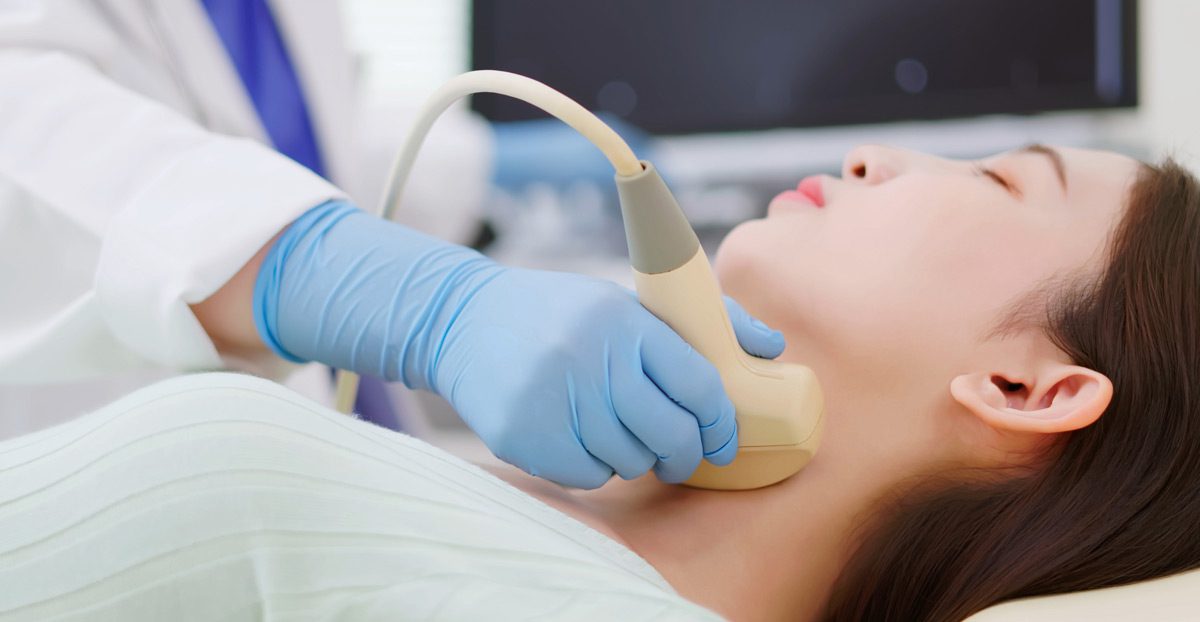
- Fine-needle aspiration: Ultrasound guided biopsy of thyroid nodules or neck masses to aid in diagnosis prior to treatment or surgery
- Thyroid Lobectomy: Removal of one half (lobe) of the thyroid gland, often used when nodules are isolated to one side or for diagnostic purposes.
- Total Thyroidectomy: Complete removal of the thyroid gland, typically recommended for cancer or diffuse disease.
- Minimally Invasive Parathyroidectomy: Removal of a single overactive parathyroid gland through a small incision using imaging guidance. Pre-surgical scans can often detect a single over-active parathyroid gland to improve localization during surgery. This is accompanied by evaluation of the parathyroid hormone levels during surgery to confirm a successful treatment.
- Bilateral Neck Exploration: Examination of all four parathyroid glands, often used when preoperative imaging is inconclusive or in cases of multi-gland disease.
Advanced Surgical Approaches
Surgeons at academic medical centers often employ advanced techniques to improve outcomes and recovery:
- Intraoperative Nerve Monitoring: Helps protect the recurrent laryngeal nerve, which controls the vocal cords.
- Minimally Invasive Techniques: Reduce scarring, pain, and recovery time.
- Targeted Imaging: High-resolution ultrasound, CT, and nuclear medicine scans help identify abnormal glands with precision.
- Intra-operative PTH: Parathyroid hormone is cleared from the blood in only a few minutes. This allows the surgeon to remove the suspected parathyroid gland and test the parathyroid hormone during surgery to confirm that the hyperparathyroidism is resolved. This results in a more successful surgery and a reduced chance for revision surgery in the future.
Multidisciplinary Coordination
Thyroid and parathyroid surgery often involves close coordination with endocrinologists, radiologists, pathologists, and, when needed, nuclear medicine specialists. This team-based approach ensures accurate diagnosis, optimal surgical planning, and comprehensive postoperative care.
When to See a Specialist
If you’ve been diagnosed with a thyroid nodule, elevated calcium levels, or a parathyroid disorder, consultation with an experienced endocrine surgeon is essential. Timely surgical evaluation can help prevent complications, confirm diagnoses, and restore hormonal balance safely and effectively.