
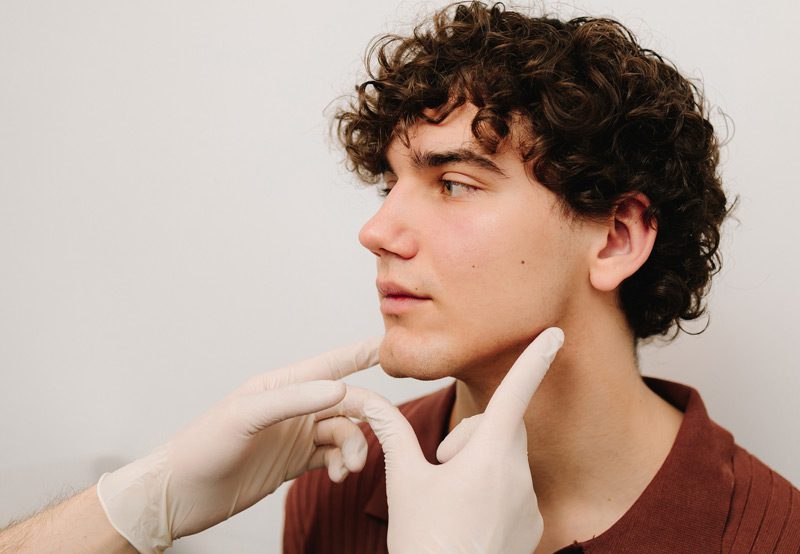
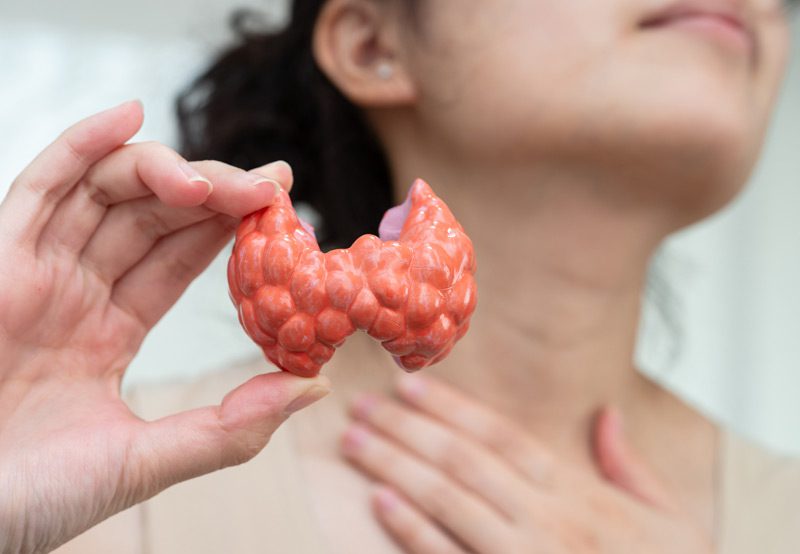
Endocrine surgery focuses on conditions affecting the glands that produce hormones, particularly those located in the neck and upper chest. These include the thyroid and parathyroid glands. When these glands develop nodules, tumors, or excess hormone production, surgical removal may be necessary to restore health and hormonal balance.
Common Conditions Treated with Endocrine Surgery
- Thyroid Nodules and Thyroid Cancer: Thyroidectomy (partial or total) is performed to remove cancerous or suspicious nodules, or in cases of large goiters causing symptoms.
- Hyperparathyroidism: Overactive parathyroid glands cause elevated calcium levels, leading to bone loss, kidney stones, and fatigue. Parathyroidectomy is often curative.
- Thyroid Goiter or Enlargement: Large benign thyroid growths can cause difficulty with swallowing or breathing and may be removed surgically.
Types of Endocrine Surgery
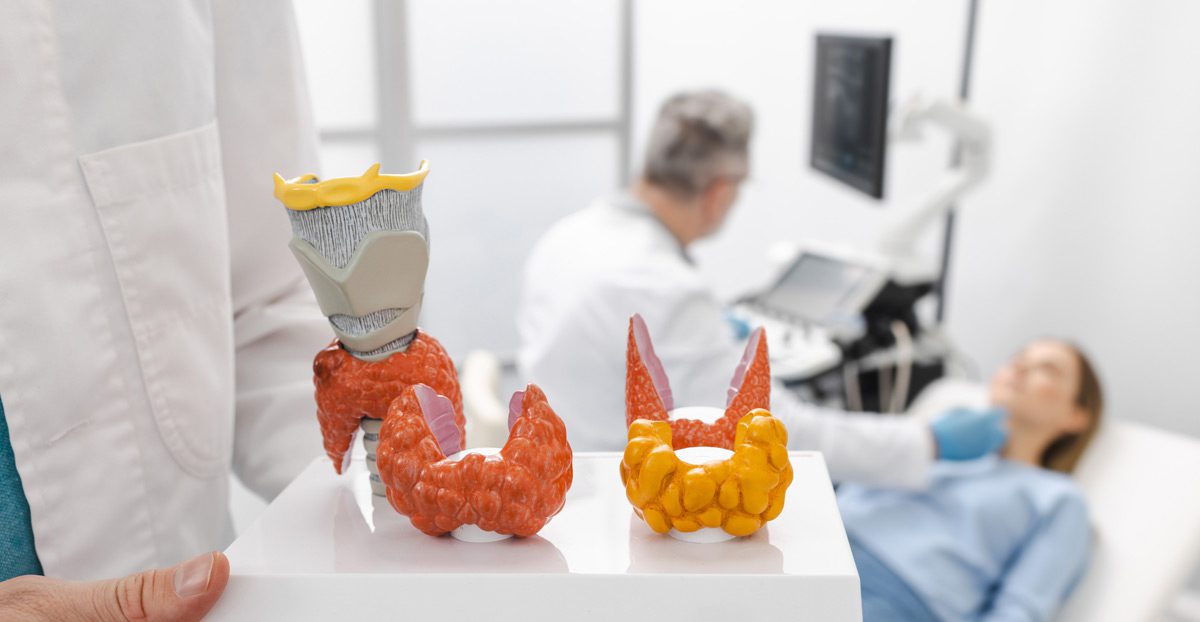
- Thyroidectomy: Removal of part or all of the thyroid gland. A total thyroidectomy may be necessary for thyroid cancer or extensive goiter. A partial thyroidectomy is used for benign nodules or limited disease.
- Parathyroidectomy: Removal of one or more parathyroid glands to treat hyperparathyroidism. Surgery is preceded by advanced imaging to localize the affected glands to offer a safer and more effective surgery. This surgery often involves intraoperative hormone testing to confirm success.
Surgical Approach and Expertise
At specialized centers, endocrine surgery is performed with precision to preserve important nearby structures such as the recurrent laryngeal nerve (which controls the vocal cords) and maintain calcium regulation. Many procedures are done with the assistance of nerve monitoring and advanced imaging to improve outcomes and reduce complications.
Multidisciplinary Care
Endocrine surgery is often coordinated through a team that includes:
- Endocrinologists: To evaluate hormone levels and guide non-surgical management before and after surgery.
- Radiologists: To assist with preoperative imaging and fine-needle aspiration biopsies.
- Surgeons: With fellowship training in endocrine and head and neck surgery for optimal outcomes.
With appropriate diagnosis, surgical planning, and follow-up care, endocrine surgery can significantly improve quality of life and resolve hormone-related health concerns.