

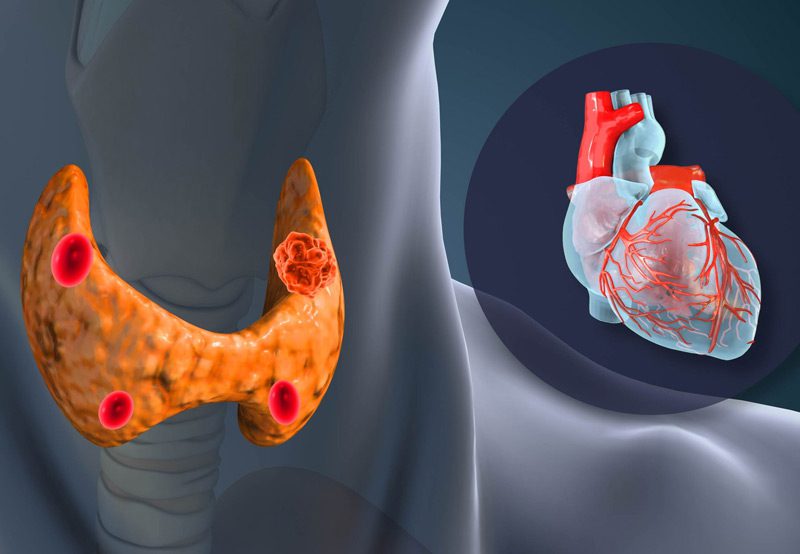
Hyperparathyroidism is a condition in which one or more of the parathyroid glands produce too much parathyroid hormone (PTH). These four small glands, located behind the thyroid in the neck, play a crucial role in regulating calcium and phosphorus levels in the body. Excess PTH leads to elevated blood calcium (hypercalcemia), which can cause a range of symptoms and long-term complications if left untreated.
Causes of Hyperparathyroidism
There are two main types of hyperparathyroidism:
- Primary Hyperparathyroidism: Caused by a benign tumor (adenoma) on one of the parathyroid glands, less commonly by glandular hyperplasia or, rarely, cancer.
- Secondary Hyperparathyroidism: A response to chronic low calcium levels, often due to kidney failure or vitamin D deficiency.

Symptoms
Some individuals may have no symptoms, especially in early stages. When symptoms are present, they may include:
- Fatigue and weakness
- Bone or joint pain
- Kidney stones
- Frequent urination
- Abdominal discomfort or constipation
- Depression or difficulty concentrating
- Fragile bones or fractures due to bone loss
Diagnosis
Diagnosis typically involves a combination of:
- Blood Tests: Elevated calcium and PTH levels are key indicators.
- Urine Tests: To assess how much calcium is being excreted and evaluate kidney function.
- Bone Density Scan (DEXA): Measures bone loss or osteoporosis.
- Imaging Studies: Ultrasound, sestamibi scans, or 4D CT scans may be used to localize abnormal parathyroid glands before surgery.
Treatment Options
Treatment depends on the severity, cause, and presence of symptoms:
- Observation: In cases of mild primary hyperparathyroidism without symptoms, careful monitoring may be recommended.
- Surgical Removal (Parathyroidectomy): The most effective treatment for primary hyperparathyroidism. Performed by experienced head and neck surgeons, often using minimally invasive approaches when imaging localizes the abnormal gland.
- Medical Management: In secondary hyperparathyroidism or for patients who cannot undergo surgery, medications such as calcimimetics, vitamin D analogs, or phosphate binders may be used to control hormone levels and calcium balance.
When to See a Specialist
Patients diagnosed with hyperparathyroidism or experiencing symptoms of high calcium should be referred to an endocrinologist or head and neck surgeon experienced in parathyroid disorders. Timely treatment can prevent complications such as osteoporosis, kidney damage, and cognitive changes, and can often result in dramatic improvement in quality of life after surgical correction.