
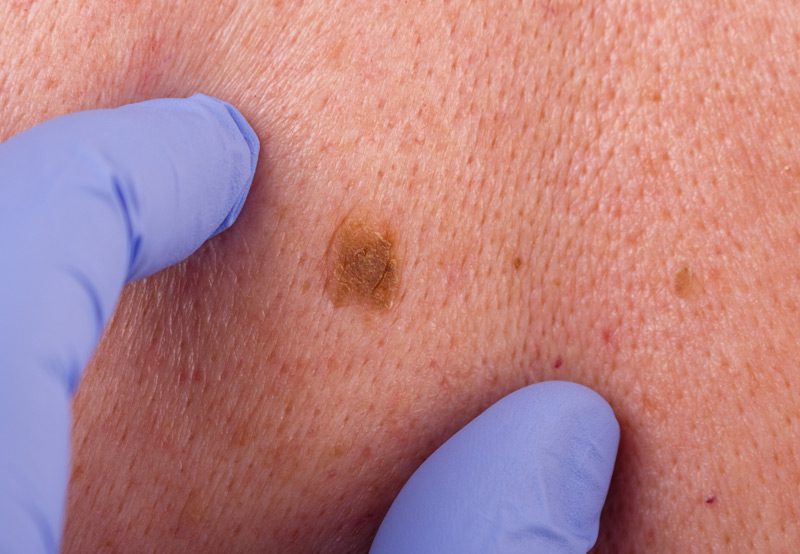
Skin cancer, including melanoma and non-melanoma types, can affect any part of the body, but when it appears on the face, neck, or scalp, treatment requires specialized surgical precision and reconstructive expertise. Early diagnosis and an individualized treatment approach are essential to effectively remove the cancer while preserving function and appearance.
Types of Skin Cancer
- Basal Cell Carcinoma (BCC): The most common type, often appearing as a pearly bump or sore that doesn’t heal. It typically grows slowly and rarely spreads, but can cause significant local tissue damage.
- Squamous Cell Carcinoma (SCC): Often presents as a scaly or crusted lesion, and may grow more quickly than BCC. SCC has a higher risk of spreading to lymph nodes.
- Melanoma: The most aggressive form, originating in pigment-producing melanocytes. Melanoma can spread quickly and requires early intervention to prevent life-threatening complications.
Diagnosis
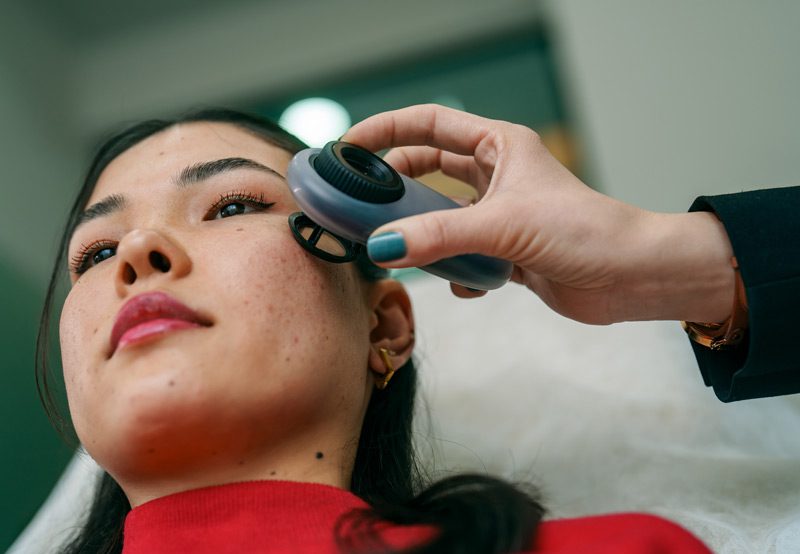
- Clinical Evaluation: Includes visual inspection and dermoscopy.
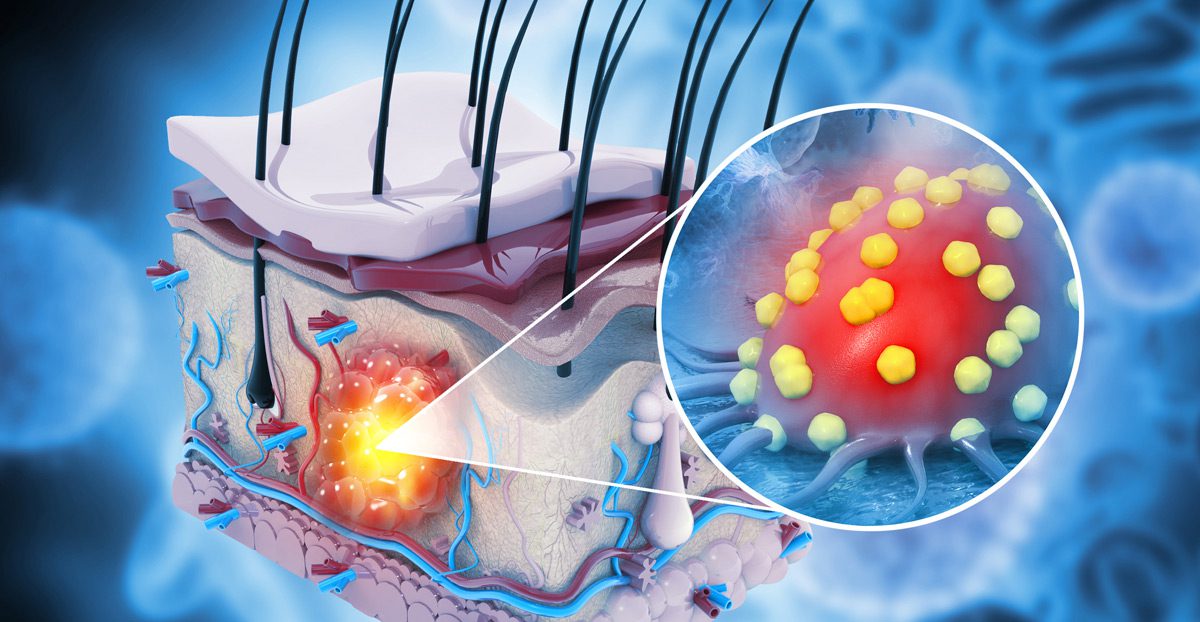
- Skin Biopsy: Confirms the diagnosis and cancer subtype.
- Imaging & Staging: Advanced melanomas may require imaging studies or lab tests to assess depth and potential spread.
Sentinel Lymph Node Biopsy
For patients with melanoma, a sentinel lymph node biopsy may be recommended to evaluate whether the cancer has begun to spread. This minimally invasive procedure identifies and removes the first lymph node(s) that drain the area of the tumor. If these nodes are clear, it’s unlikely that the melanoma has spread further. This helps guide decisions about the need for additional surgery or systemic therapies.
Surgical Treatment
- Wide Local Excision: The mainstay of treatment for most skin cancers. Surgeons remove the tumor along with a margin of healthy tissue to ensure clear borders.
- Mohs Surgery: Often used for cancers on the face, this technique allows for the precise removal of cancerous tissue while sparing as much healthy tissue as possible.
- Reconstruction of Face, Neck, and Scalp: After excision, particularly in cosmetically or functionally sensitive areas, reconstructive surgery is often performed to restore appearance and function. Options include:
- Local Flaps: Moving adjacent tissue to cover the defect.
- Skin Grafts: Transferring skin from another part of the body.
- Complex Reconstruction: In larger defects, microvascular free tissue transfer or staged reconstruction may be used to optimize both cosmetic and functional outcomes.
When to See a Specialist
Any new or changing skin lesion, especially on the face, neck, or scalp, should be evaluated by a head and neck surgeon or dermatologic specialist experienced in skin cancer care. A multidisciplinary team can provide comprehensive treatment, including cancer removal, lymph node assessment, and reconstruction, all with the goal of achieving excellent oncologic control and preserving quality of life.