
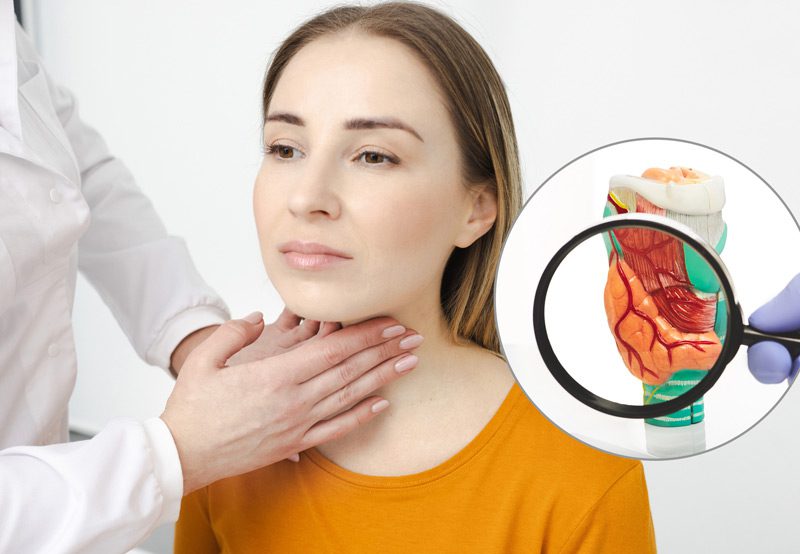
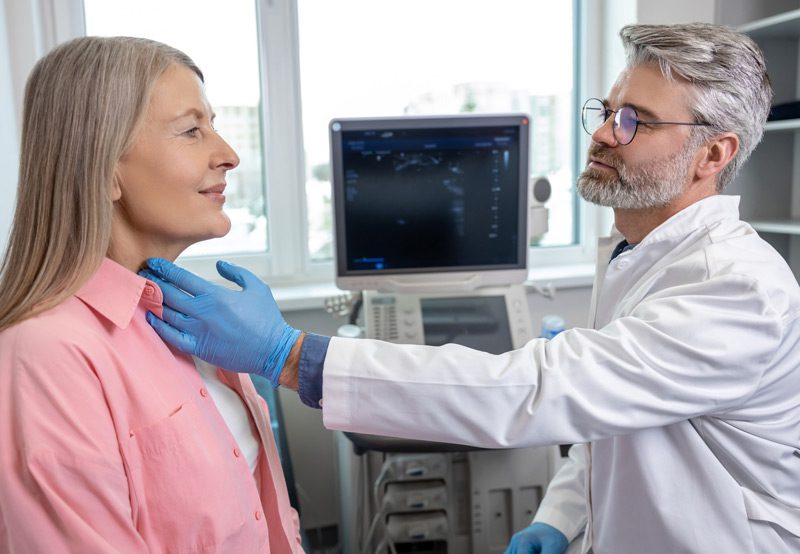
Thyroid nodules are abnormal growths or lumps that form within the thyroid gland, a butterfly-shaped gland located at the base of the neck. Most thyroid nodules are benign and do not cause symptoms, but some may produce thyroid hormones or contain cancerous cells. Careful evaluation is essential to determine the nature of a nodule and whether treatment is needed.
Causes of Thyroid Nodules
Several factors can contribute to the development of thyroid nodules, including:
- Benign Growths: Such as colloid nodules, thyroid cysts, or adenomas.
- Iodine Deficiency: Can lead to thyroid enlargement and nodule formation.
- Thyroiditis: Chronic inflammation of the thyroid, such as Hashimoto’s thyroiditis, can lead to nodule development.
- Thyroid Cancer: A small percentage of nodules are malignant and require surgical treatment.
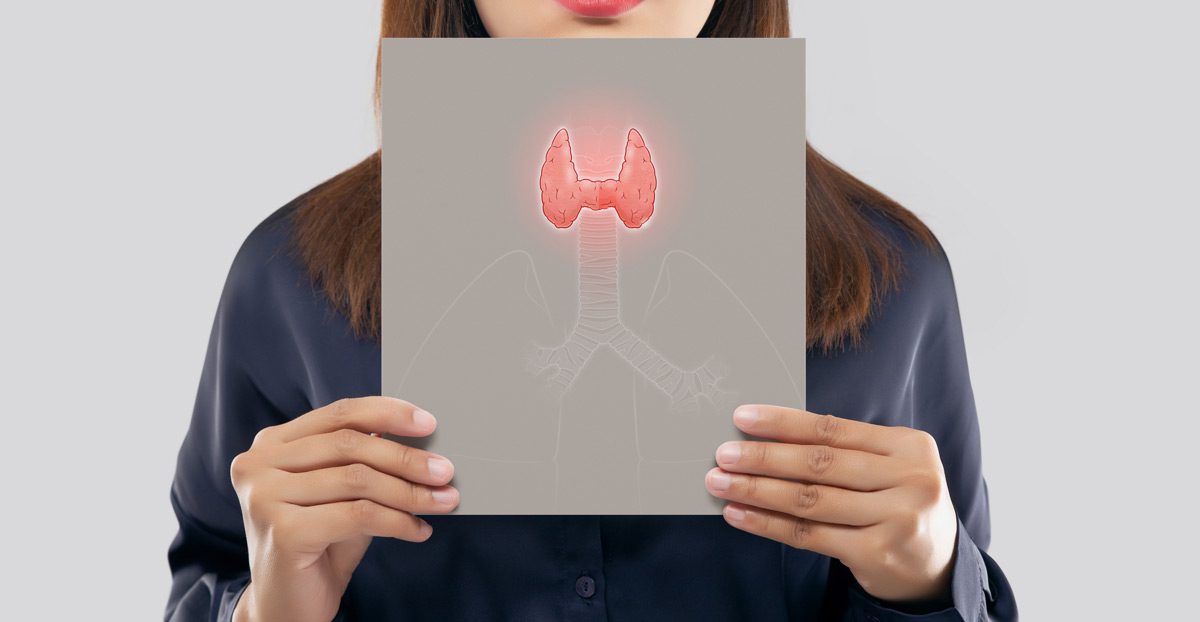
Symptoms
Most thyroid nodules are asymptomatic and discovered incidentally. However, some may cause:
- A visible or palpable lump in the neck
- Difficulty swallowing or a sensation of pressure in the throat
- Hoarseness or voice changes if the nodule affects nearby nerves
- Hyperthyroid symptoms such as rapid heartbeat, weight loss, or tremors (in the case of overactive nodules)
Diagnosis
Evaluation of a thyroid nodule includes:
- Physical Examination: Palpation of the neck to assess the size and mobility of the nodule.
- Thyroid Function Tests: Blood tests to measure levels of thyroid hormones (TSH, T3, T4).
- Ultrasound Imaging: Determines the size, composition, and features of the nodule that may indicate malignancy.
- Fine-Needle Aspiration (FNA) Biopsy: Performed under ultrasound guidance to collect cells from the nodule for cytologic evaluation.
- Molecular Testing: In some cases, genetic testing of biopsy samples may help determine the risk of cancer.
Treatment Options
Management depends on the size, appearance, and biopsy results of the nodule:
- Observation: Benign nodules that are small and asymptomatic are often monitored with periodic ultrasound exams.
- Thyroid Hormone Suppression Therapy: Occasionally used to prevent further growth, though its effectiveness is debated.
- Radioactive Iodine Therapy: May be used to shrink overactive or autonomous nodules.
- Surgical Removal: Recommended if the nodule is cancerous, suspicious for cancer, causing compressive symptoms, or growing significantly.
When to See a Specialist
Any new lump in the neck or symptoms of thyroid dysfunction should prompt evaluation by an endocrinologist or otolaryngologist. Early assessment helps distinguish between benign and malignant nodules and allows for timely intervention if needed. A multidisciplinary team may be involved for nodules that require surgery or additional oncologic care.