Thyroid Cancer

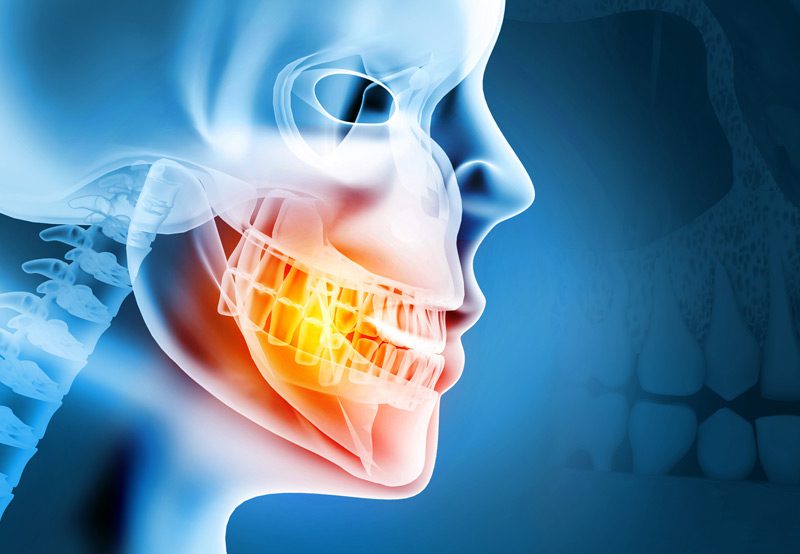
An-illustration-of-thyroid-gland-cancer
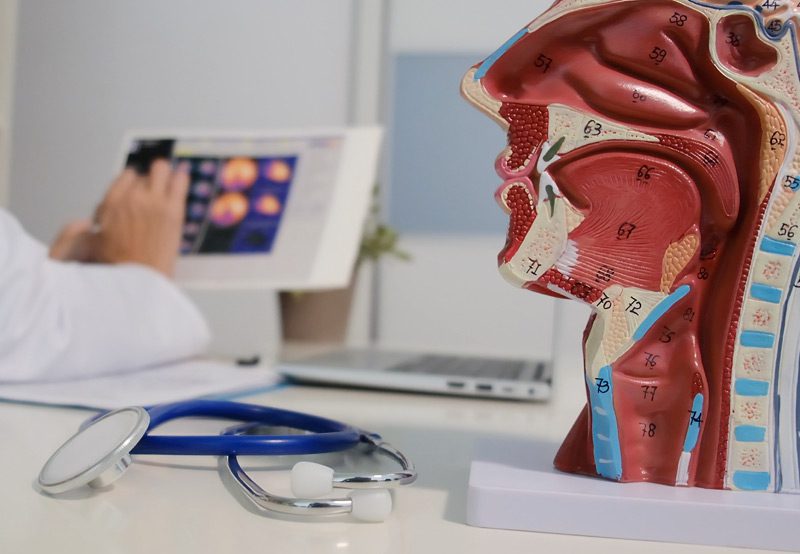
Doctor-pointing-to-thyroid-models-on-table

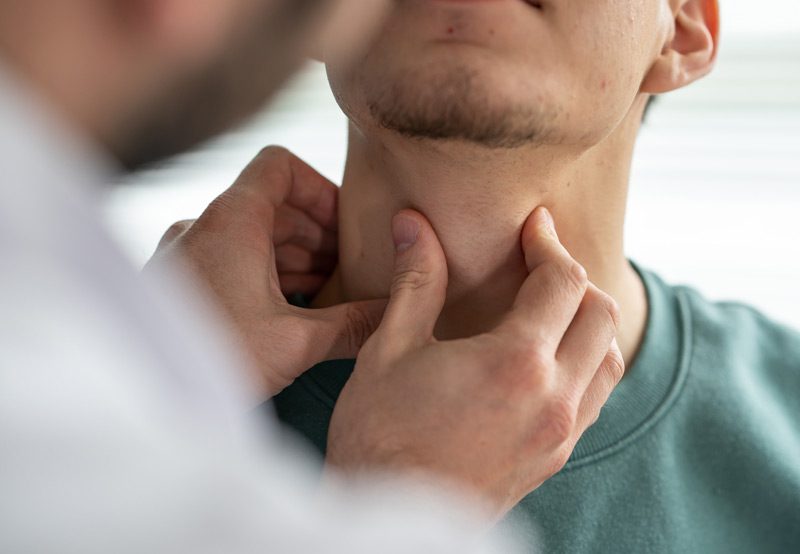
Thyroid cancer is a common endocrine malignancy that arises from the cells of the thyroid gland, located at the front of the neck. Most cases are highly treatable, particularly when detected early. A specialized, multidisciplinary approach is critical to accurately diagnose, treat, and monitor thyroid cancer while minimizing complications and preserving thyroid function when possible.

Types of Thyroid Cancer

  • Papillary Thyroid Cancer: The most common and typically slow-growing form. It often responds well to treatment.
  • Follicular Thyroid Cancer: Slightly more aggressive than papillary cancer, but still highly treatable.
  • Medullary Thyroid Cancer: A rarer form that may be associated with genetic syndromes and requires different management strategies.
  • Anaplastic Thyroid Cancer: A highly aggressive and rare form that requires urgent and complex treatment planning.
CONTACT US TODAY
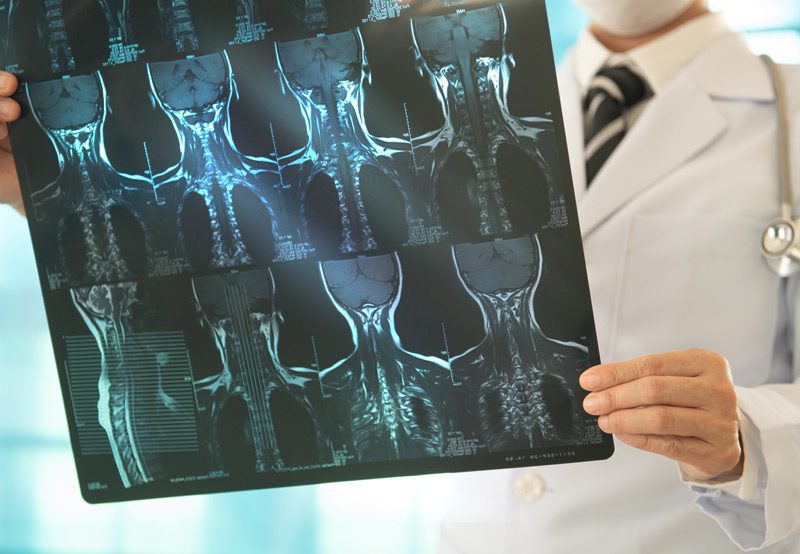
Image-concept-for-thyroid-diagnosis-and-treatment

Diagnosis

Evaluation begins with a combination of:

  • Neck Ultrasound: To assess nodules and lymph nodes.
  • Fine-Needle Aspiration (FNA) Biopsy: Often performed under ultrasound guidance to sample suspicious nodules.
  • Thyroid Function Tests & Molecular Testing: Help distinguish between benign and malignant lesions and guide management.

Surgical Treatment

  • Thyroidectomy: Complete removal of the thyroid gland, often recommended for larger or multifocal cancers, or when lymph nodes are involved.
  • Partial (Lobectomy) Thyroidectomy: Removal of only the affected lobe, which may be appropriate for small, localized cancers. This can preserve some thyroid function and reduce the need for lifelong hormone replacement.
  • Central or Lateral Neck Dissection: May be performed if cancer has spread to lymph nodes in the neck.

Surgery is performed by head and neck surgeons with expertise in thyroid and parathyroid procedures to minimize risks to the nearby recurrent laryngeal nerves and parathyroid glands.

Coordinated Multidisciplinary Care

Effective thyroid cancer treatment often involves a collaborative team, including:

  • Endocrinology: For hormone monitoring and ongoing surveillance.
  • Nuclear Medicine: For radioactive iodine (RAI) ablation in select patients post-surgery.
  • Interventional Radiology: For image-guided biopsy and nodule characterization.
  • Pathology and Oncology: For molecular profiling and treatment planning.

Each case is evaluated in a multidisciplinary setting to determine the most appropriate treatment plan based on tumor type, stage, and individual patient factors.

When to See a Specialist

Patients with a thyroid nodule, abnormal biopsy, or confirmed thyroid cancer should be evaluated by a head and neck surgeon as part of a multidisciplinary team. Comprehensive evaluation and personalized surgical planning help ensure the best possible outcomes while preserving vital functions such as speech, swallowing, and hormonal balance.