Neck Tumors

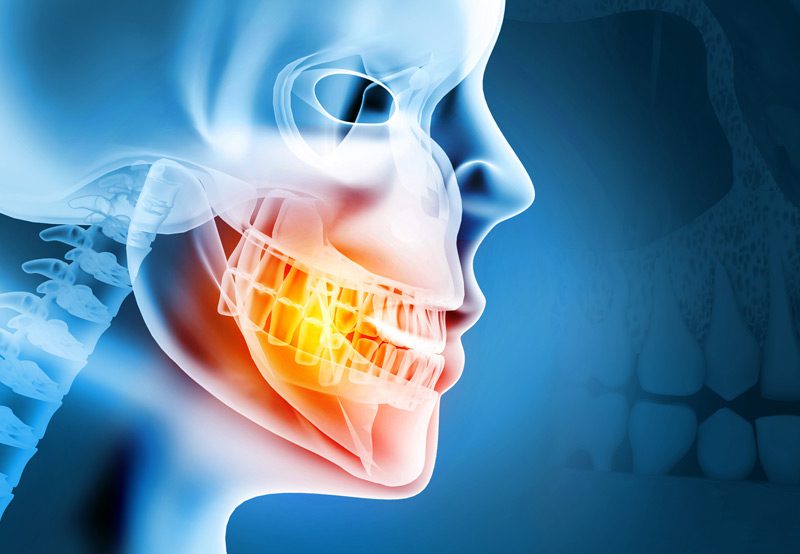
illustration-oaf-neck-tumor-growth
patient-being-evaluated-for-neck-mass

Neck tumors encompass a broad range of benign and malignant growths that can arise from lymph nodes, salivary glands, thyroid tissue, skin, or other structures in the neck. Because of the complex anatomy and the potential for serious underlying conditions, accurate diagnosis and expert management are essential. Some neck tumors are discovered incidentally, while others cause visible swelling, pain, or functional symptoms like difficulty swallowing or changes in voice.

Causes and Types of Neck Tumors

Neck tumors may originate from a variety of tissues, including:

  • Lymph Nodes: Enlarged lymph nodes may be reactive (benign), infectious, or malignant (such as lymphoma or metastatic cancer).
  • Salivary Glands: Tumors can form in the parotid, submandibular, or sublingual glands. These may be benign (e.g., pleomorphic adenomas) or malignant.
  • Thyroid Gland: Nodules or masses may represent thyroid cancer or benign thyroid disease.
  • Congenital Cysts: Branchial cleft cysts or thyroglossal duct cysts are developmental abnormalities often diagnosed in childhood or early adulthood.
  • Skin and Soft Tissue Tumors: These include cysts, lipomas, and skin cancers.
  • Metastatic Cancer: Cancers from other parts of the head and neck (such as the throat, larynx, or oral cavity) can spread to lymph nodes in the neck.
CONTACT US TODAY
patient-with-enlarged-thyroid-gland

Symptoms of Neck Tumors

The symptoms depend on the type and location of the tumor but may include:

  • A visible or palpable mass
  • Neck pain or tenderness
  • Hoarseness or voice changes
  • Difficulty swallowing
  • Unexplained weight loss or fatigue
  • Recurrent infections or drainage from a cyst

Diagnosis

Evaluation typically begins with a thorough head and neck examination and may include:

  • Ultrasound or CT/MRI imaging: To assess the size, shape, and location of the mass.
  • Fine-Needle Aspiration (FNA) Biopsy: A minimally invasive test to obtain a tissue sample for diagnosis.
  • PET Scan: May be used when cancer is suspected, especially to identify hidden primary tumors or evaluate spread.
  • Endoscopy: Allows visual inspection of the throat, voice box, and surrounding structures if symptoms suggest a deeper tumor.

Treatment Options

Treatment depends on the nature of the tumor:

  • Benign Tumors: Often removed surgically if they are symptomatic, growing, or cosmetically concerning.
  • Malignant Tumors: May require surgery, radiation, chemotherapy, or a combination. Head and neck cancers often require a multidisciplinary approach.
  • Congenital Cysts: Typically treated with surgical excision to prevent infection or recurrence.
  • Reconstructive Surgery: May be necessary after tumor removal to restore appearance and function.

When to See a Head and Neck Specialist

Any persistent or growing neck mass should be evaluated by a specialist, especially if it lasts more than two weeks, occurs without signs of infection, or is accompanied by systemic symptoms. Early evaluation allows for timely diagnosis, improved outcomes, and preservation of vital structures related to speech, swallowing, and appearance.