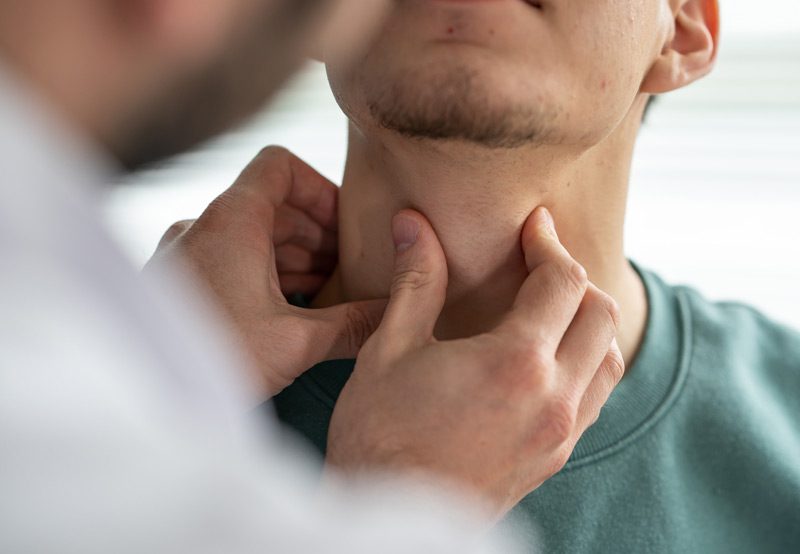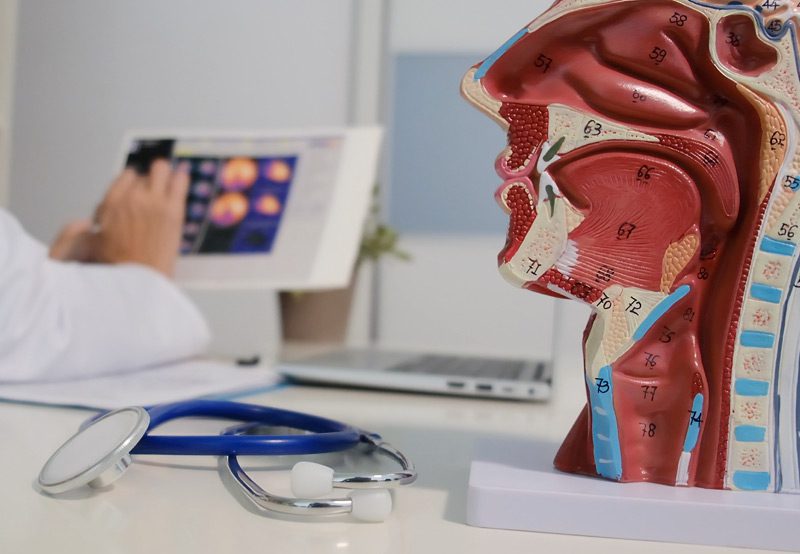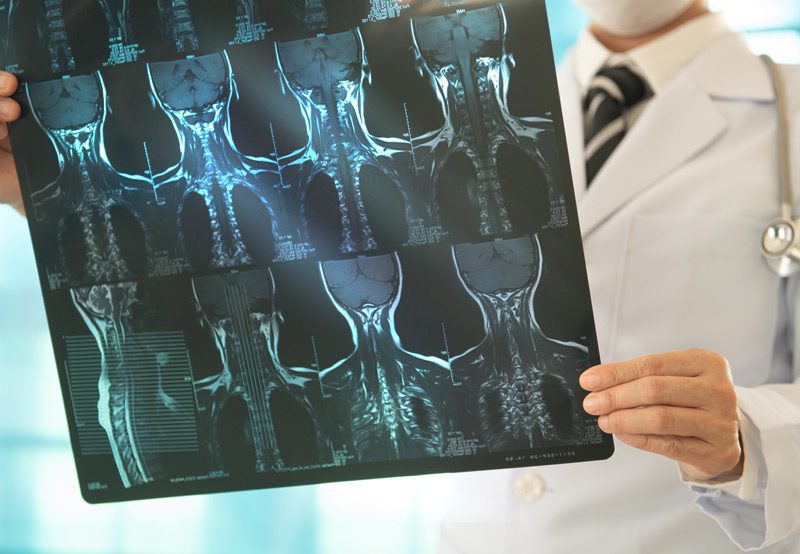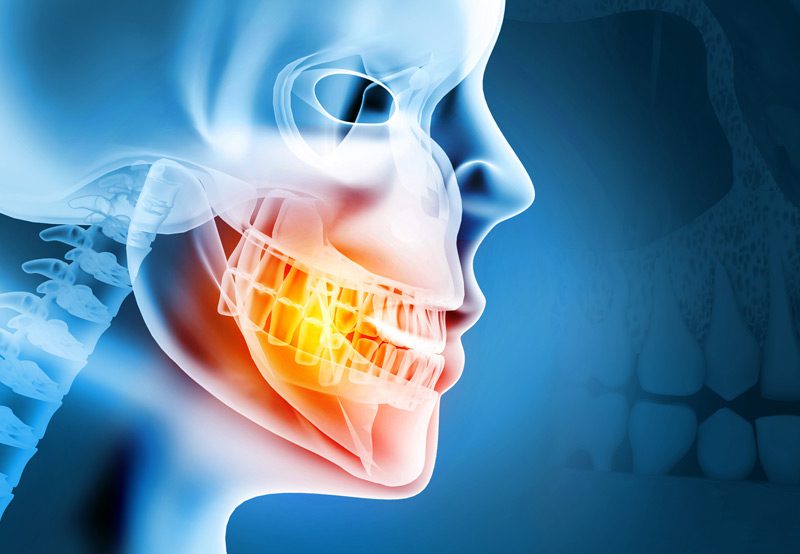

Comprehensive head and neck cancer treatment requires an integrated, multidisciplinary approach to address both the disease and the patient’s quality of life. These cancers, arising in the mouth, throat, voice box, salivary glands, thyroid, and skin, often involve complex anatomy responsible for speaking, breathing, swallowing, and appearance. Optimal care balances aggressive cancer control with preserving or restoring function and appearance.
Personalized, Multidisciplinary Care
Each patient’s treatment is developed by a team that may include head and neck surgeons, radiation oncologists, medical oncologists, reconstructive surgeons, speech-language pathologists, radiologists, endocrinologists, and supportive care providers. Weekly tumor boards are used to discuss cases in depth and align on the best evidence-based approach. Each individual patient and cancer are unique, so treatment is specifically designed with this in mind to maximize cancer outcomes and quality of life.

Treatment Modalities
- Surgery: Many patients undergo surgery to remove tumors in the oral cavity, throat, thyroid, salivary glands, or skin. Surgical goals include complete tumor removal with preservation of critical nerves, blood vessels, and tissue when possible. In cases where structures must be removed—such as the jaw, tongue, or larynx—expert reconstructive techniques are used to restore speech, swallowing, and appearance.
- Reconstructive Surgery: Advanced reconstructive techniques are used to maximize function and appearance after cancer surgery. This includes custom virtual surgical planning utilizing 3D printed templates to match patient’s anatomy perfectly. In addition, microvascular free flap reconstruction and nerve-sparing procedures are used to restore function and appearance. Facial nerve reanimation, jaw reconstruction, and palate restoration are planned in tandem with tumor removal to maximize outcomes.
- Radiation Therapy: Precision radiation techniques, including intensity-modulated radiation therapy (IMRT), are used to target cancer cells while minimizing damage to nearby healthy tissue. Radiation is often used after surgery or as a primary treatment when surgery is not feasible.
- Medical Oncology: Chemotherapy or immunotherapy may be added to enhance radiation effectiveness or treat advanced/metastatic disease. Molecular profiling helps guide the use of targeted therapies for certain tumor types.
- Transoral Robotic Surgery (TORS): A minimally invasive approach used to remove select tumors of the throat and base of tongue while avoiding large incisions offering the potential to reduce the dose of radiation and eliminate the need for chemotherapy.
Supportive Services
- Speech and Swallow Therapy: Rehabilitation starts early and continues after treatment to help patients regain voice and safe swallowing function.
- Dental and Nutritional Care: Preventing and managing treatment side effects is a core part of care. On-site nutritionists support patients before and after surgery to optimize healing and surgical outcomes.
- Psychosocial and Survivorship Support: Counseling, support groups, and survivorship planning address long-term wellness, including coping with physical changes and cancer recurrence monitoring.
Comprehensive head and neck cancer treatment demands technical precision, collaboration across specialties, and compassion for each patient’s unique experience.