
Surgery plays a central role in the treatment of many head and neck cancers, offering the possibility of complete tumor removal and long-term cure. Because tumors in this region often affect critical structures related to speaking, swallowing, breathing, and appearance, head and neck cancer surgery requires a high degree of expertise and precision. The goal is not only to remove cancer but also to preserve or reconstruct vital functions and appearance whenever possible.
Surgical Expertise in Complex Anatomy
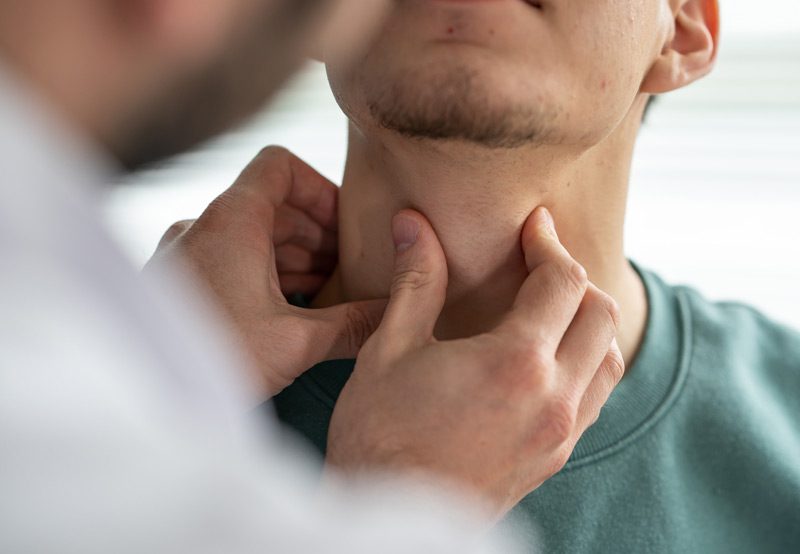
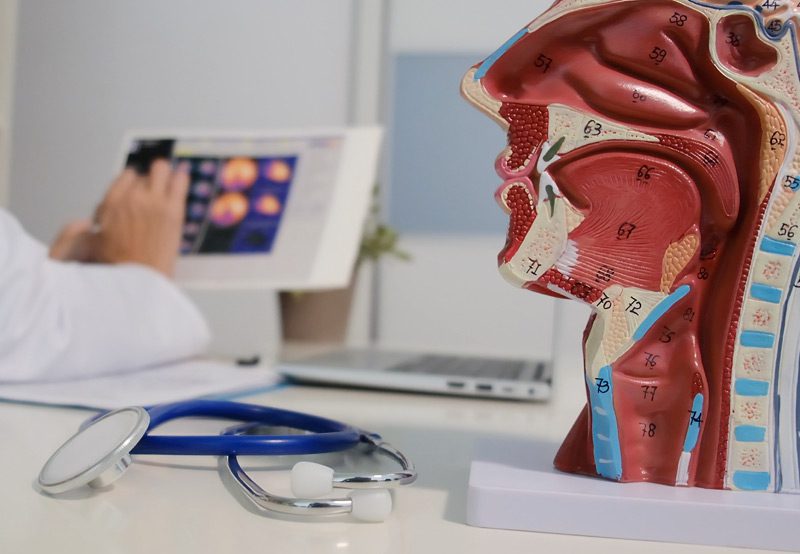
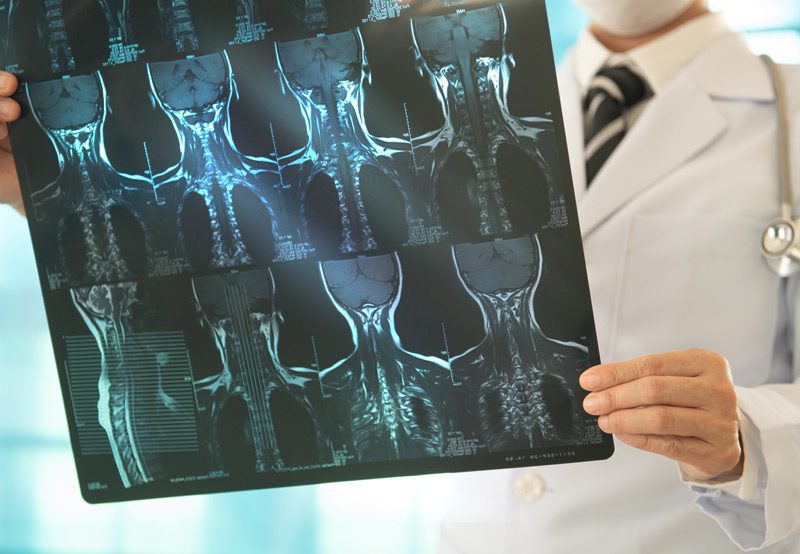
Head and neck cancers can arise in the mouth, throat, voice box (larynx), neck, nasal cavity, sinuses, salivary glands, thyroid, skin, and lymph nodes in the neck. Each of these sites presents unique challenges due to the dense concentration of nerves, blood vessels, and functional structures in a small area. Surgical planning involves advanced imaging and careful mapping of tumor extent to ensure complete resection while minimizing impact on critical functions.

Types of Head and Neck Cancer Surgery
- Tumor Resection: Removal of the primary tumor with clear margins is the cornerstone of surgical treatment. Techniques vary based on the tumor location and size, ranging from small local excisions to complex multi-structure resections. Robotic surgery can be utilized in select circumstances to provide less invasive tumor removal.
- Neck Dissection: Cancer that spreads to lymph nodes often requires surgical removal of affected nodes in the neck. This may be performed at the same time as the primary tumor resection.
- Transoral Approaches: Select tumors of the throat and larynx may be removed through the mouth using minimally invasive tools such as lasers or robotic instruments (Transoral Robotic Surgery, or TORS), reducing the need for external incisions and preserving function. This is most commonly used for HPV related throat cancers and offers a unique way to improve outcomes and reduce treatment-related side effects.
- Laryngectomy and Partial Laryngectomy: For advanced cancers of the voice box, surgery may involve partial or total removal of the larynx. Whenever possible, surgeons aim to preserve voice and swallowing.
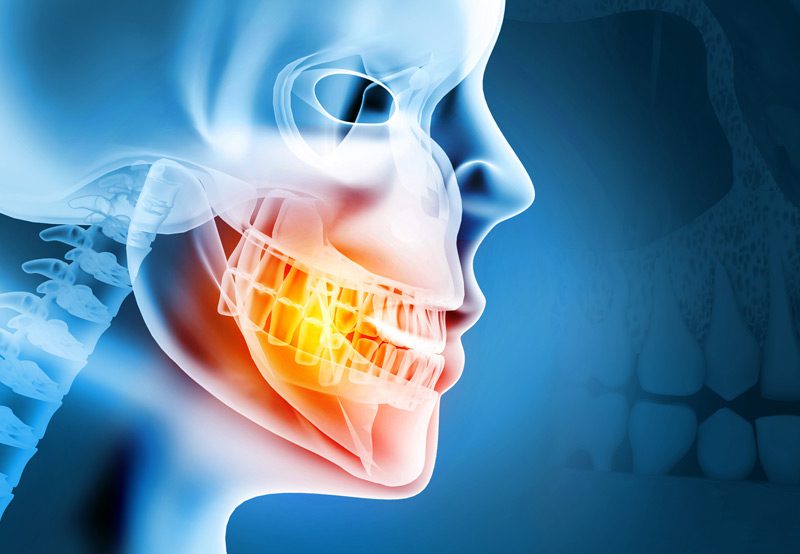
- Jaw and Skull Base Surgery: Tumors involving the jawbone or skull base require complex resection and reconstruction with bone and soft tissue grafts. Reconstruction is often assisted with computer-aided models and 3D printing to allow for exact matching of patient anatomy to improve functional and aesthetic outcomes after cancer surgery.
- Thyroid and Salivary Gland Surgery: These cancers are addressed with gland removal and nerve-sparing techniques to preserve speech, swallowing, and facial movement. Electrode nerve-monitoring is utilized during surgery to aid in preservation of critical nerve function.
Reconstructive Surgery
Reconstruction is a critical part of head and neck cancer surgery. Surgeons use microvascular free tissue transfer, local flaps, or skin grafts to restore form and function. This includes reconstruction of the tongue, jaw, throat, and facial structures to support speaking, swallowing, and appearance.
Multidisciplinary Coordination
Surgical care is delivered in close coordination with radiation oncologists, medical oncologists, speech therapists, and reconstructive surgeons. Patients are supported throughout the process with nutrition counseling, swallow therapy, psychosocial care, and survivorship planning.
Head and neck cancer surgery requires not only surgical precision but a deep understanding of how each patient’s life will be affected by treatment—and how best to preserve or restore the abilities that matter most.