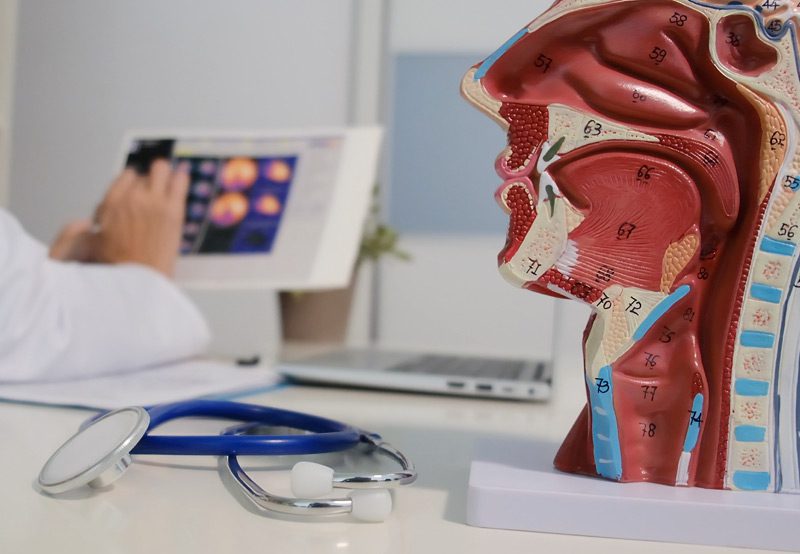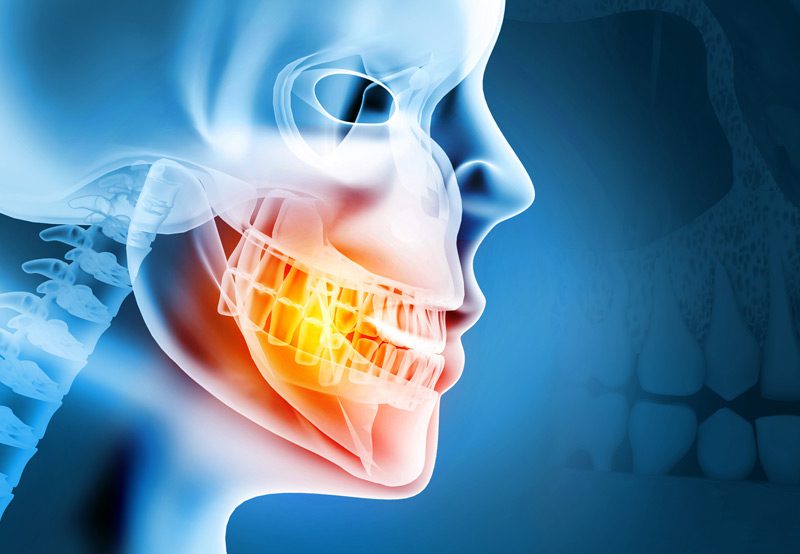

Flexible laryngoscopy is a minimally invasive diagnostic procedure used to examine the larynx (voice box), vocal cords, and surrounding structures in real time. It allows an otolaryngologist (ENT specialist) to assess a wide range of voice, breathing, and throat-related symptoms without the need for anesthesia or surgery.
When Is Flexible Laryngoscopy Performed?
This procedure is commonly used to investigate symptoms such as:
- Hoarseness or changes in voice
- Chronic throat clearing or cough
- Sensation of a lump in the throat (globus)
- Difficulty swallowing (dysphagia)
- Throat or ear pain without infection
- Noisy or labored breathing
- Persistent sore throat or unexplained throat discomfort
- Evaluation after head and neck cancer treatment for cancer surveillance

How the Procedure Works
During the exam, a thin, flexible scope equipped with a light and camera is gently passed through one of the nostrils and guided down into the throat. First the nose is anesthetized with a topical spray, then a small flexible camera is used to visualize the upper aerodigestive tract. This provides a clear, magnified view of the larynx and nearby structures on a video monitor. The procedure typically takes approximately 1 minute and is performed in the clinic setting.
Patients are awake and comfortable throughout the exam. A topical anesthetic may be used to numb the nose and throat for comfort. Breathing, speaking, and swallowing can often be assessed during the exam.
What Conditions Can Be Diagnosed?
Flexible laryngoscopy helps diagnose a variety of conditions, including:
- Vocal cord nodules, cysts, or polyps
- Vocal cord paralysis or paresis
- Laryngeal cancer or precancerous lesions
- Throat tumors
- Structural abnormalities such as subglottic stenosis
- Airway narrowing or vocal fold dysfunction
What to Expect After the Procedure
Most patients resume normal activities immediately after flexible laryngoscopy. Mild throat irritation or a numb sensation may persist briefly due to the anesthetic. There are minimal risks, but in rare cases, patients may experience minor nosebleeds or coughing.
Importance in Ongoing ENT Care
Flexible laryngoscopy is a vital tool in evaluating voice and airway disorders. It may be used for initial diagnosis, to monitor the progression of a condition, or to assess recovery after treatment or surgery. Results from the exam help guide the next steps in care, which may include further testing, medication, voice therapy, or surgical planning.